
A family’s migration history does not always fit neatly inside one nationality label. New reporting on removals to Haiti puts that problem into focus through the experience of children whose parents and birth countries differ.
Folha de S.Paulo reported that a Brazilian-born child was deported from the United States with Haitian parents on August 27. The newspaper attributed confirmation to the International Organization for Migration and a Human Rights Watch researcher. Its article was updated September 10. This is newly updated reporting about an earlier event, not a deportation claimed to have happened today. Folha report, updated September 10
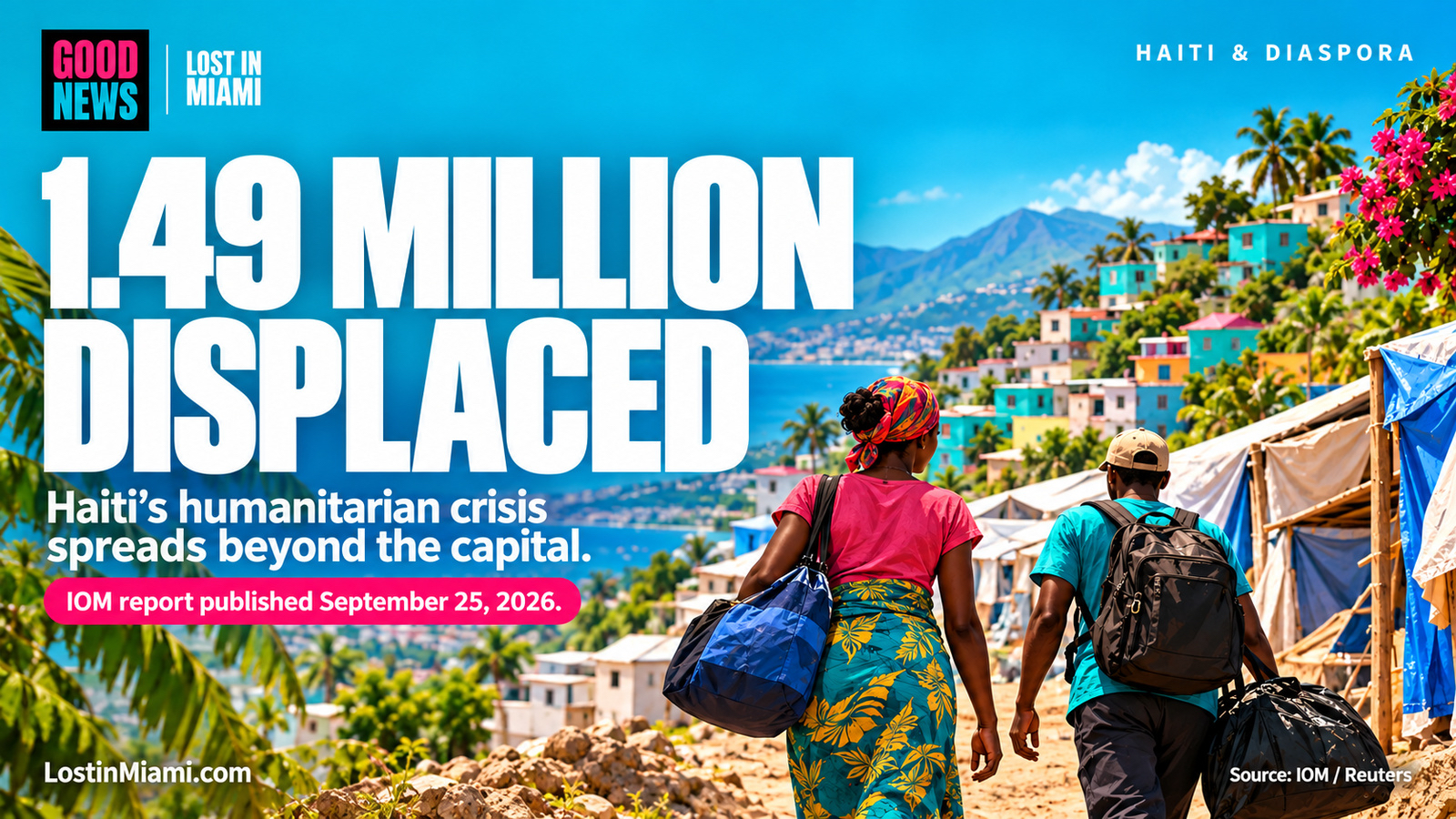
The wider humanitarian setting is serious. Reuters reported August 28 that a UN official described nearly 200,000 forced returns to Haiti during the first eight months of 2026. That earlier account also described insecurity and an international debate over support for Haiti. These are background figures with their own reporting date, not a new September count. Reuters humanitarian background, August 28
Our analysis centers on the questions this raises for consular coordination. Which country recognizes each person as a citizen? Which documents establish that status? Has the relevant consular service been informed? What options have actually been confirmed in writing? These questions should be answered individually, rather than assuming one parent’s nationality settles every issue for the entire household.
Keeping a family together is an important objective, but togetherness alone does not answer where the family can lawfully enter or receive assistance. Nor should a child’s birthplace be treated as a shortcut to a legal conclusion without checking the applicable rules and documentation.
What this means for Haitian families
For families following the news from South Florida, the useful lesson is to distinguish a reported case from an automatic rule. Another household’s experience cannot establish your own immigration status, eligibility or travel options. This article does not announce a new visa program, a guaranteed route to Brazil or a change in U.S. protection policy.
A qualified immigration representative and the relevant official consular service can address different parts of the problem. Legal representation concerns the applicable immigration process; consular assistance concerns the services a country provides to its nationals. Neither should be presumed to produce an immediate outcome simply because a case has received attention.
There is also a privacy responsibility. Public discussion can explain the policy issue without circulating a child’s identifying documents, whereabouts or family contact information. Those details add risk without helping readers understand the central question.
This is general information, not legal advice. The reporting warrants attention because it shows why individual circumstances matter within a broader removal system. The next useful development would be a documented consular or legal outcome, with its date and limits clearly stated.