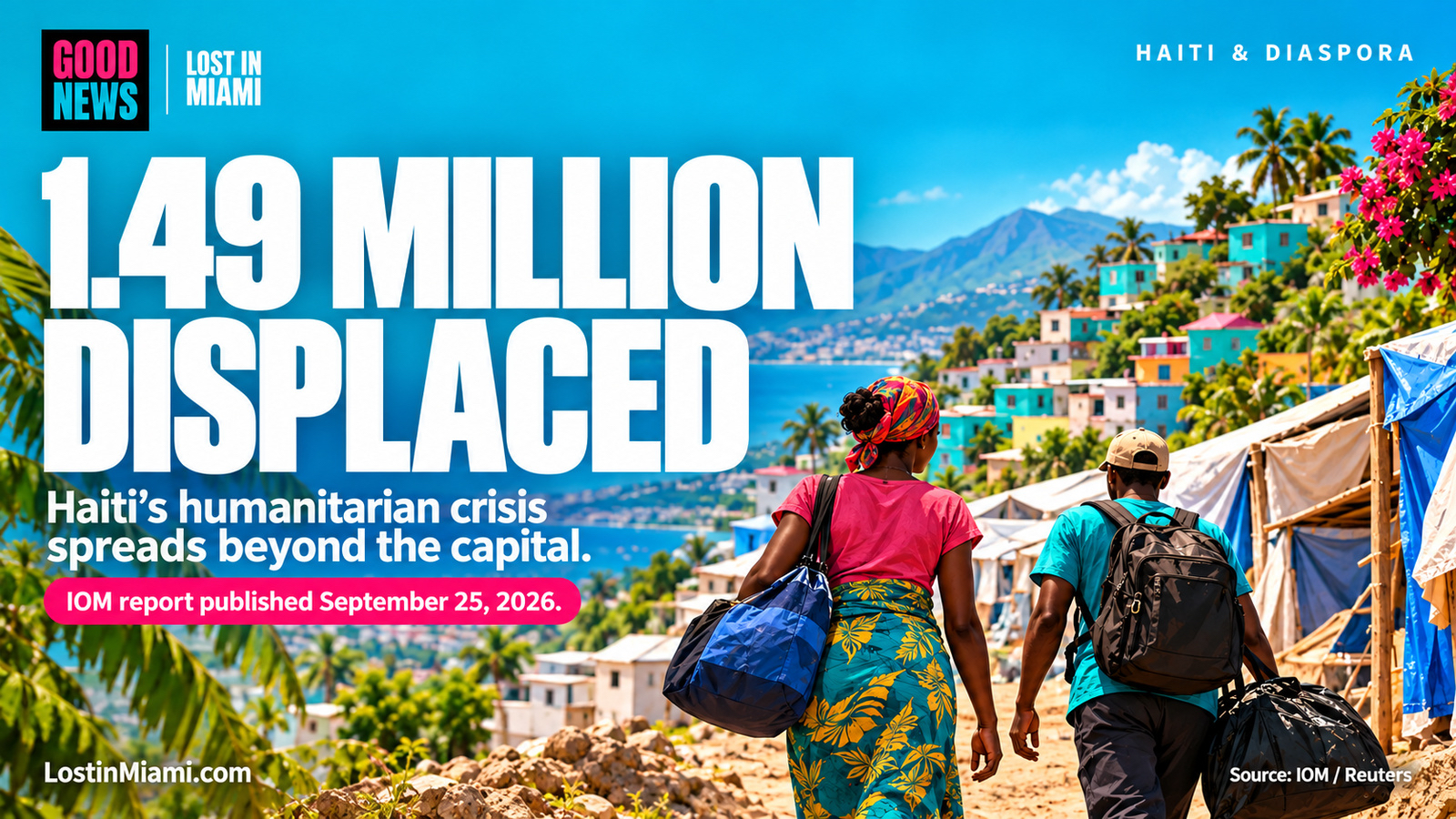

Haiti’s security crisis is no longer contained by the boundaries of Port-au-Prince.
A report published September 7 by the Global Initiative Against Transnational Organized Crime’s Haiti Observatory says armed groups are expanding into rural communities through kidnappings, cattle theft, temporary roadblocks and hit-and-run attacks.
Reuters reported that the pattern represents a strategic shift, not simply the accidental spillover of violence from the capital. Security deployments and political attention remain concentrated around Port-au-Prince, leaving farming regions and smaller towns with fewer resources to resist mobile armed groups.
The countryside matters to the entire country. Rural communities produce food, move goods between departments and connect cities through roads that are already difficult to maintain. When gangs block a route or steal livestock, the damage extends beyond one victim. Food becomes harder to transport, farmers lose productive assets and families may have to abandon land that supports their income.
Kidnapping also changes everyday movement. Merchants, health workers and students must decide whether a road is safe before traveling. Businesses may pay more for transportation or reduce deliveries entirely. Those costs can reach urban markets through higher prices and shortages.
The report does not mean every rural area is under gang control, and conditions differ sharply across Haiti’s departments. It does show that a capital-centered security strategy can miss the way armed networks adapt. A group does not need to permanently occupy a town to exercise influence if it can repeatedly close roads, seize property or threaten residents.
For the Haitian diaspora, especially in South Florida, the expansion complicates travel and family support. Relatives who once considered leaving Port-au-Prince for a rural community may find that safety cannot be assumed. Remittances can help families manage immediate needs, but cash alone cannot restore transportation, policing or public services.
What this means for Haitian families
People planning travel should review current U.S. State Department advisories and communicate with trusted relatives before moving between regions. Families should treat unverified social-media claims about safe routes, arrests or immigration protection cautiously.
This development does not itself change U.S. immigration status, asylum eligibility or deportation policy. Immigration questions depend on individual facts and current law; families should use qualified attorneys or Department of Justice–recognized nonprofit providers. This article is general information, not legal advice.
The report’s central warning is geographic. Haiti’s crisis is spreading through the roads and communities that sustain the country. A national response has to protect more than the institutions of the capital. It has to protect the farmers, merchants, students and families who keep the rest of Haiti connected.
Sources
- Reuters
- Global Initiative Haiti Observatory
- U.S. State Department Haiti information
- U.N. Human Rights report